When to apply biofertilizers matters almost as much as choosing the right microbial input. Biofertilizers contain beneficial microorganisms, so their performance depends on how close they are placed to the seed or root zone, whether the soil has enough moisture, and whether the application is protected from harsh conditions or incompatible chemicals. For farmers, the goal is simple: introduce the microbes when the crop is ready to establish roots and the field can support microbial activity.
This guide explains the best timing for seed treatment, root dipping, soil application, and drip or drench application. It also shows how to coordinate biofertilizers with irrigation, transplanting, and other crop inputs. Always follow the product label for the specific strain, formulation, crop, dose, and compatibility instructions.
Why Biofertilizer Application Timing Matters
Unlike conventional mineral fertilizers, biofertilizers depend on living microorganisms. These microbes need suitable conditions to remain active, establish around the root zone, and interact with the crop. Applying them at the wrong time can reduce the opportunity for successful colonization even when the product itself is of good quality.
Three timing principles are especially useful:
- Keep application close to sowing or transplanting when the product is intended for seed or root treatment.
- Apply into adequately moist soil when the product is used through soil drenching, compost mixing, or drip irrigation.
- Avoid unnecessary exposure to heat and direct sunlight during handling and application.
Tamil Nadu Agricultural University guidance describes seed treatment, seedling root dip, and main-field application as common biofertilizer methods. Its guidance also recommends shade-drying treated seed and sowing it promptly rather than leaving treated seed unused for long periods.
Best Time to Apply Biofertilizers by Method
The right application window depends on how the microbial product is intended to reach the crop. A seed treatment works at a different stage from a root dip or a soil application, so timing should match the method.
1. Seed Treatment: Immediately Before Sowing
Seed treatment is one of the most direct ways to place beneficial microbes close to the emerging root system. The inoculant is coated evenly on the seed, usually with a suitable liquid or adhesive as directed on the label.
After treatment, keep the seed in shade while the coating settles or dries. Do not leave treated seed in direct sun. Sow it as soon as practical after treatment. Some institutional biofertilizer protocols specify sowing shade-dried treated seed within 24 hours, but the product label should remain the first reference for the formulation you are using.
For crop- and product-specific instructions, farmers can review Vise Organic's Phosphate Solubilizing Bacteria and other microbial fertilizer product pages.
2. Root Dip: Just Before Transplanting
Root dipping is useful for transplanted crops because it places the inoculant directly around the seedling root system before the plant enters the main field. Prepare the root-dip solution according to the product recommendation, immerse the root zone for the specified period, and transplant without an unnecessary delay.
The practical sequence is:
- Prepare the field and transplanting area first.
- Mix the recommended biofertilizer solution.
- Dip seedling roots for the label-recommended duration.
- Move treated seedlings directly to the prepared field.
This reduces the time between inoculation and contact with moist field soil.
3. Soil Application: Around Sowing, Transplanting, or Early Establishment
Soil-applied biofertilizers are commonly used near sowing or transplanting, when roots are beginning to explore the soil. Depending on the formulation, the product may be mixed with well-decomposed compost or farmyard manure, diluted for soil drenching, or delivered through irrigation.
Soil condition is important. Vise Organic's product guidance for microbial inputs such as Potash Mobilizing Microorganism emphasizes application where the land has proper moisture. The exact dose and dilution are product-specific, so avoid transferring the dosage of one inoculant to another.
4. Drip or Drench Application: Apply When the Root Zone Is Moist and Active
Liquid biofertilizers can be convenient for drip or drench application, but water management matters. The root zone should not be extremely dry, and the application should not be immediately lost through excessive runoff or waterlogging.
A practical approach is to coordinate application with irrigation so the microbial solution reaches the active root zone and the soil remains moist afterward. The correct irrigation sequence can vary with soil type, crop, irrigation system, and formulation, so follow the label or local agronomy advice.
What Field Conditions Are Best for Biofertilizer Application?
Biofertilizer application timing is not only about the calendar. Field conditions on the day of application also matter.
Choose Cooler Parts of the Day
When possible, handle and apply microbial products in the early morning or later afternoon rather than leaving prepared inoculant or treated seed exposed to intense midday sun. Keep containers shaded during field work and close them promptly after use.
Maintain Suitable Soil Moisture
Very dry soil can limit microbial activity and root contact, while heavily waterlogged conditions can create a poor environment for many beneficial soil microorganisms. Aim for the moisture condition recommended on the product label and appropriate for the crop and soil.
If the field is extremely dry, irrigation may be needed before or around application. If heavy rain is expected, avoid making an application that is likely to be washed away or diluted beyond the intended root zone.
Protect Treated Seed and Inoculants From Direct Sunlight
Shade is important during seed treatment, root dip preparation, and short-term field handling. Do not leave opened biofertilizer containers or coated seed lying in direct sun while other farm operations are being completed.
How to Coordinate Biofertilizers With Irrigation
Irrigation should help move the inoculant into a biologically suitable root zone without creating stress or unnecessary losses.
| Application method | Best timing | Moisture goal |
|---|---|---|
| Seed treatment | Immediately before sowing | Prepared seedbed with suitable sowing moisture |
| Root dip | Immediately before transplanting | Moist transplanting field |
| Soil application | Around sowing, transplanting, or early crop establishment | Moist, not excessively dry or waterlogged |
| Drip/drench | When irrigation can carry the inoculant into the active root zone | Enough moisture to support root-zone contact |
Do not use this table as a substitute for the label. It is a planning guide; crop-specific and formulation-specific directions take priority.
Compatibility: Timing Around Fungicides, Bactericides and Other Inputs
One of the most important timing decisions is not only when to apply a biofertilizer, but also what is applied before, with, or after it. Microbial inoculants can be affected by chemicals intended to kill fungi or bacteria.
Avoid directly tank-mixing a microbial biofertilizer with a fungicide, bactericide, disinfectant, or highly concentrated chemical fertilizer unless the label or manufacturer specifically confirms compatibility. If both treatments are required, follow the recommended sequence and time gap for the particular products.
The same principle applies to chemically treated seed. Some programs use chemical seed treatment and microbial inoculation together, but the order and interval should follow crop and product guidance rather than a universal rule.
For additional handling precautions, see Vise Organic's guide on storing and handling liquid biofertilizers.
A Simple Biofertilizer Timing Checklist for Farmers
Before applying a biofertilizer, run through this quick checklist:
- Is this the correct microbial product for the crop and purpose?
- Is the product within its usable shelf life and stored as directed?
- Am I using the correct method: seed treatment, root dip, soil application, drip, or drench?
- Is the seedbed or root zone at suitable moisture?
- Can I protect treated seed or prepared solution from direct sun and excessive heat?
- Will sowing or transplanting happen soon after treatment?
- Are there fungicides, bactericides, or other inputs that could be incompatible?
- Have I checked the exact product label for dose and timing?
If several answers are uncertain, it is better to resolve them before opening and mixing the product.
Choosing the Right Microbial Input for the Timing Window
Timing also depends on the biological function of the inoculant. Different microorganisms are selected for different crop and nutrient-management goals.
- Rhizobium: commonly associated with legume crops and is often used as a seed inoculant where appropriate. Explore Vise Organic's Rhizobium Liquid Based.
- Azotobacter: used in microbial nutrient-management programs for a range of non-legume crops. See Azotobacter Liquid Based.
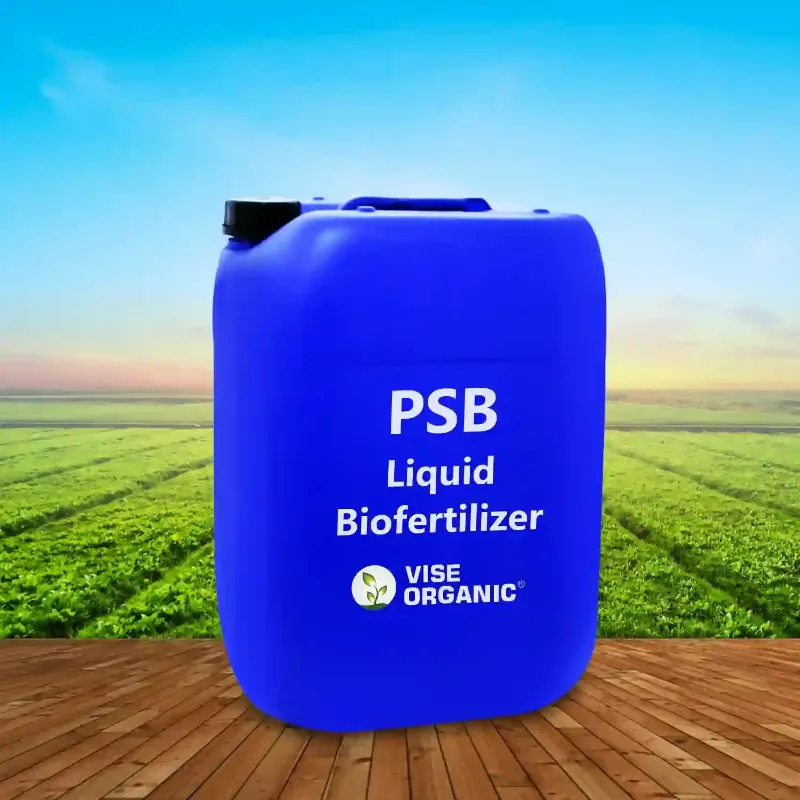
- Phosphate-solubilizing bacteria (PSB): used to support biological phosphorus availability and can be applied through methods such as seed treatment, root dip, or soil application depending on the product.
- Potash-mobilizing microorganisms: used in programs designed to support biological potassium mobilization in the root zone.
The best program combines the right organism, the right crop, the right application method, and the right timing rather than treating every biofertilizer as interchangeable.
Frequently Asked Questions
What is the best time of day to apply biofertilizers?
Early morning or late afternoon is usually more practical for microbial products because field temperatures and direct sunlight are lower. Protect treated seed and prepared inoculant from prolonged sun exposure and follow the product label.
Should biofertilizers be applied before or after irrigation?
It depends on the application method and soil condition. The aim is to place the inoculant in a moist root zone without washing it away or leaving it in waterlogged soil. For drip or drench use, coordinate irrigation according to the label and local agronomy advice.
Can I apply biofertilizer to dry soil?
For soil, drench, or drip applications, adequately moist soil is generally preferable. If the soil is extremely dry, correct the moisture condition as appropriate before or around application.
How long after seed treatment should I sow?
Sow treated seed promptly after the coating has settled or shade-dried as directed. Some institutional protocols specify sowing within 24 hours, but always prioritize the timing stated on the product label.
Can biofertilizers be mixed with fungicides or bactericides?
Do not assume they are compatible. Products designed to suppress fungi or bacteria may also harm beneficial microorganisms. Use only combinations and timing gaps confirmed by the label, manufacturer, or qualified agronomy adviser.
Is the same biofertilizer timing suitable for every crop?
No. Direct-seeded crops, transplanted crops, orchards, vegetables, cereals, and legumes can require different methods and timing. Match the application to the crop stage and the microbial product.
Do I need soil testing before using biofertilizers?
Soil testing is useful because it helps identify pH, nutrient status, salinity, and other conditions that influence nutrient management. Read Vise Organic's soil testing before biofertilizers guide for a practical planning framework.
Final Takeaway
The best time to apply biofertilizers is the time that gives beneficial microorganisms the strongest chance to reach the seed or root zone under suitable moisture and handling conditions. For seed treatments, stay close to sowing. For root dips, stay close to transplanting. For soil, drip, and drench applications, work with suitable root-zone moisture and avoid conditions that can damage or disperse the inoculant.
For product-specific recommendations, explore the Vise Organic product range or contact the Vise Organic agronomy team for crop and application guidance.
Article Topics & Tags:
Dr. R. Sharma
Senior Agronomist at Vise Organic Research & Development Lab. Specialist in soil microbial ecology, mycorrhizal symbiotic inoculants, and organic carbon rejuvenation.