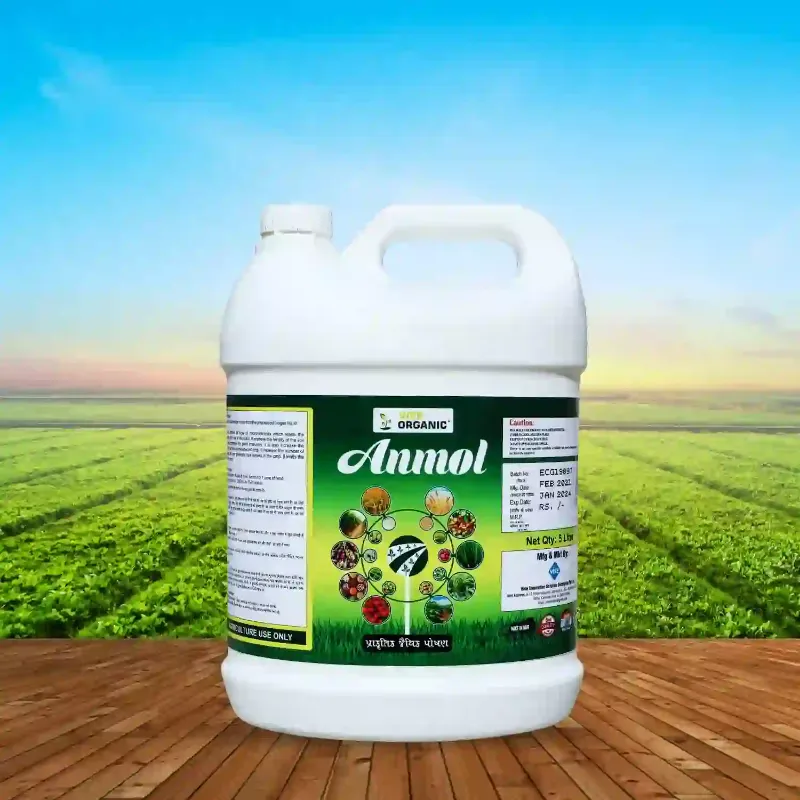
Liquid biofertilizers are different from ordinary fertilizers in one important way: they contain living microorganisms. Products such as Azotobacter Liquid Based, Rhizobium Liquid Based, Azospirillium Liquid Based, Acetobactor Liquid Based, Phosphate Solubilizing Bacteria and Potash Mobilizing Microorganism depend on beneficial microbes that must reach the soil alive and active. How you store, mix and apply them can make a real difference to the results you see in the field.
This guide covers simple, practical habits that help farmers and dealers protect the quality of liquid biofertilizers from the day of purchase until the day of application.
Table of Contents
- Why handling matters for living products
- Storage: temperature, light and containers
- Before use: checking the product
- Mixing and water quality
- Compatibility with other inputs
- Application timing and field conditions
- Frequently asked questions
Why Handling Matters for Living Products
A chemical fertilizer is largely stable on the shelf. A biofertilizer is a population of microbes. Heat, direct sunlight, harsh chemicals and long delays can reduce the number of active cells before the product ever touches the soil. When that happens, the farmer has done everything right in the field but still sees a weaker response.
Good handling is not complicated. Most of it comes down to keeping the product cool, shaded, sealed and away from substances that can harm microbes.
Storage: Temperature, Light and Containers
Keep it cool and shaded
Store liquid biofertilizers in a cool, dry, well-ventilated place away from direct sunlight. Avoid leaving bottles or cans in vehicles, on rooftops, in open sheds that heat up during the day, or next to engines and pumps. Always follow the storage temperature printed on the product label.
Do not freeze or overheat
Extreme temperatures in either direction can stress microorganisms. Do not keep the product in a freezer, and do not store it near heat sources such as boilers or kitchen areas.
Keep containers sealed and upright
- Keep the original cap tightly closed until use.
- Store containers upright to avoid leakage and contamination.
- Do not transfer the product into old pesticide or chemical containers.
- Keep the product in its original labelled packaging so batch and expiry details remain visible.
Store separately from agro-chemicals
Keep biofertilizers on a separate shelf from chemical pesticides, fungicides, herbicides and concentrated fertilizers. Fumes, spills or accidental mixing can affect the microbes.
Before Use: Checking the Product
- Check the expiry date. Use the product within the period stated on the label. Plan purchases close to the sowing or application window so stock does not sit for long.
- Look at the container. Avoid using product from containers that are swollen, leaking or damaged.
- Shake well. Liquid formulations can settle. Shake the container gently but thoroughly before measuring.
- Use opened packs promptly. Once a container is opened, reseal it tightly and use the remainder as soon as practical.
Mixing and Water Quality
The water you mix with matters because microbes are sensitive to their surroundings.
- Use clean water. Avoid water that is visibly dirty or contaminated.
- Avoid heavily chlorinated water where possible. Chlorine is used to kill microbes, so it is sensible to avoid strongly chlorinated supplies. If only treated water is available, letting it stand in an open container for some time before mixing is a common practice.
- Use clean equipment. Rinse sprayers, drums and buckets thoroughly if they were previously used for chemical pesticides or fungicides.
- Mix only what you need. Prepare the solution close to application time and use it the same day rather than storing diluted mixtures.
- Follow label dosage. Use the dose and dilution recommended on the product label or by your local agronomist.
Compatibility with Other Inputs
One of the most common mistakes is tank-mixing biofertilizers with products that can harm living microorganisms.
- Chemical fungicides and bactericides: Do not mix these directly with bacterial biofertilizers. If both are needed, ask an expert about a suitable gap between applications.
- Seed treatment chemicals: When seeds are treated with chemicals, check with your advisor about the correct sequence and timing before applying a biofertilizer seed treatment.
- Concentrated chemical fertilizers: Avoid mixing biofertilizers directly into concentrated fertilizer solutions.
- Organic inputs: Biofertilizers are often used alongside well-decomposed compost or farmyard manure. Organic matter supports soil life, but still follow label guidance on combined use.
When in doubt, run a small jar test or, better, consult the manufacturer or a local agriculture expert before combining products.
Application Timing and Field Conditions
Choose cooler hours
Apply in the early morning or late afternoon when sunlight and heat are lower. This reduces stress on microbes during and right after application.
Ensure adequate soil moisture
Microbes need moisture to move and establish in the root zone. Applying to very dry soil, or in a way that leaves the product exposed on the surface for long periods, is less effective. Light irrigation around application, where practical, helps.
Common application methods
- Seed treatment: Coat seeds evenly, dry them in shade and sow soon after.
- Seedling root dip: Dip roots of transplanted seedlings in the prepared solution before planting.
- Soil application: Mix with well-decomposed compost or apply through drip or drenching as recommended.
Use the method and rate recommended on the specific product label, since each organism and crop may have different guidance.
Quick Checklist for Farmers and Dealers
- Store in a cool, shaded, ventilated place.
- Keep away from direct sunlight, heat and chemicals.
- Check expiry and container condition before use.
- Shake well, mix in clean water, use the same day.
- Do not tank-mix with chemical fungicides or bactericides.
- Apply during cooler hours on moist soil.
Frequently Asked Questions
Can I keep a diluted biofertilizer solution for the next day?
It is best to prepare only the quantity needed and use it the same day. Diluted solutions are more exposed to temperature changes and contamination.
Can I mix Rhizobium Liquid Based with a chemical seed-treatment fungicide?
Direct mixing is generally not advised because fungicides and bactericides can harm beneficial bacteria. Consult your agronomist or the product label about the correct order and interval if both treatments are required.
Is it a problem if the liquid looks settled at the bottom?
Some settling can occur in liquid formulations. Shake the container well before use. If the container is swollen, leaking or damaged, do not use it and contact your supplier.
Should biofertilizers replace all other fertilizers?
Biofertilizers are one part of integrated nutrient management. Nutrient needs depend on soil, crop and yield targets, so a soil test and advice from a local expert help build a balanced plan.
Safety Note
Always read and follow the instructions on the product label. Wear basic protective gear such as gloves while handling, keep products out of reach of children and animals, wash hands after use, and consult a qualified agronomist for crop-specific recommendations.
Conclusion
Liquid biofertilizers work best when the microbes inside them stay healthy. Cool, shaded storage, clean water, careful mixing and well-timed application are simple habits that protect your investment and help these products do their job in the soil. Treat them as living inputs, and they can become a dependable part of an organic and sustainable farming program.