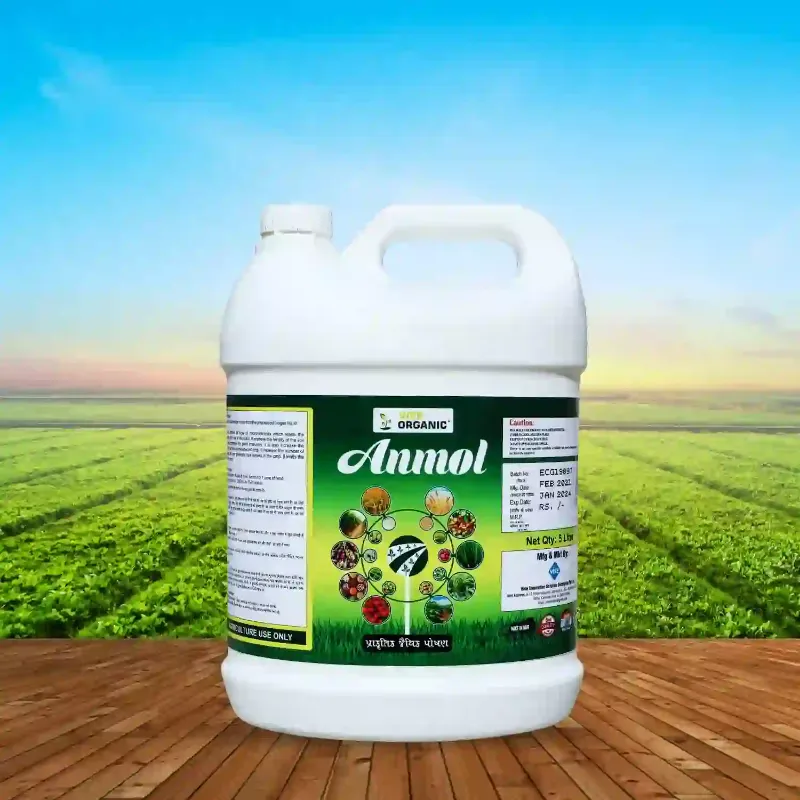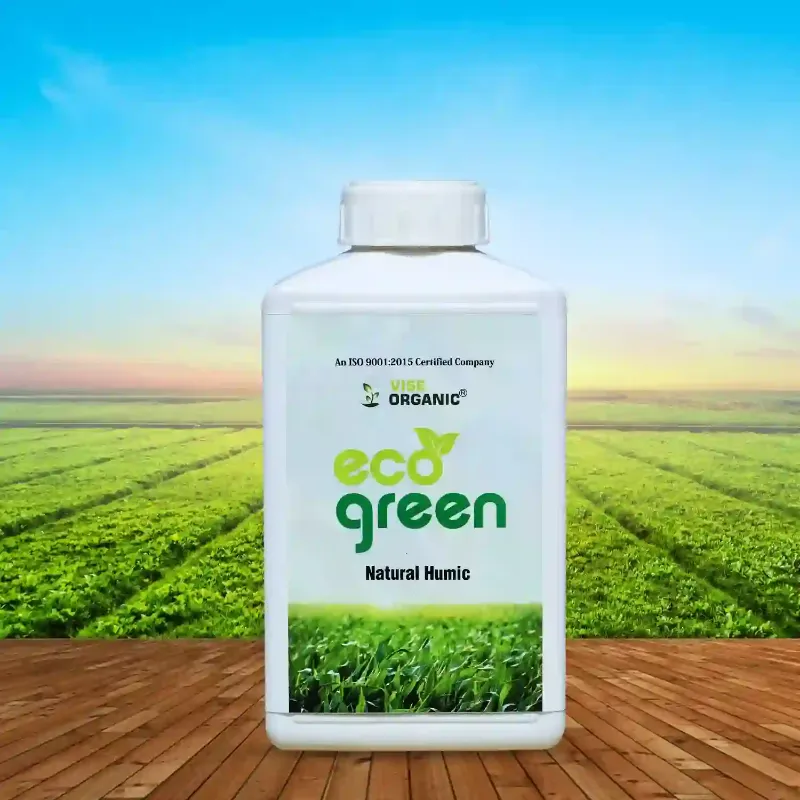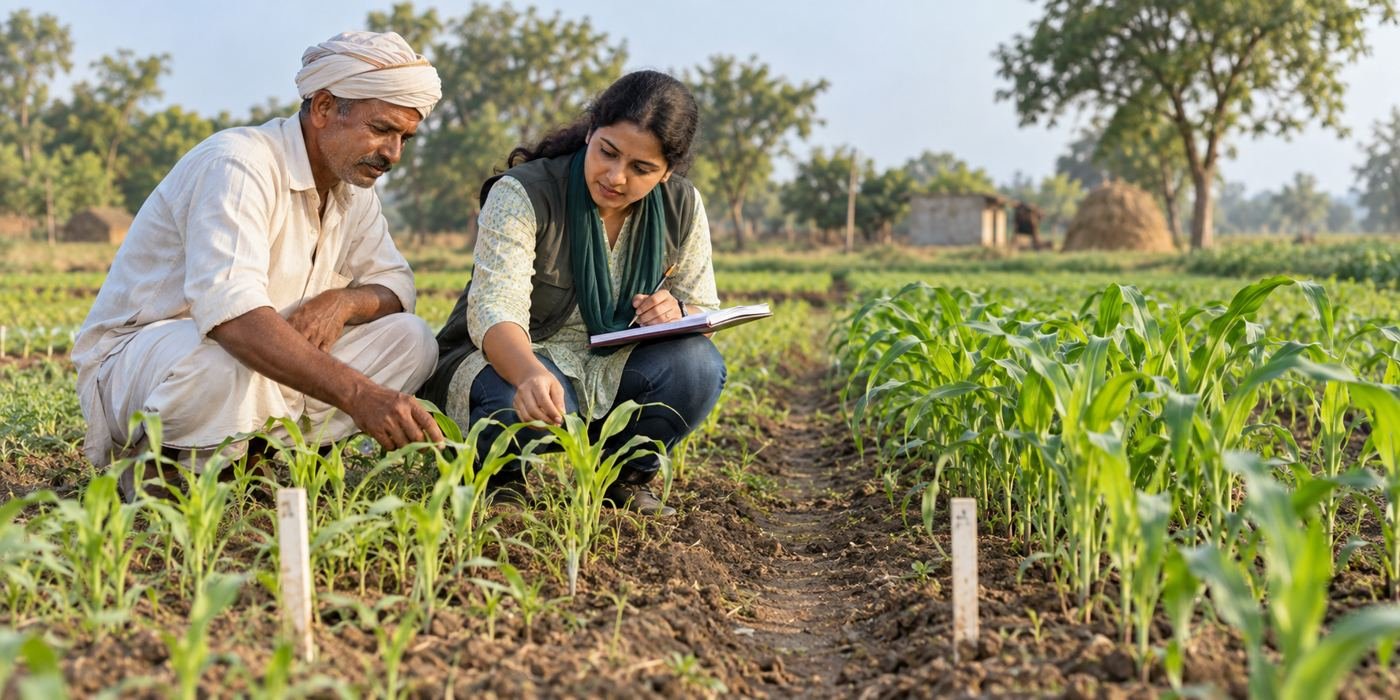
To evaluate biofertilizer performance, compare similar areas, record what you applied and measure the outcome at harvest. A greener patch or a striking photograph may be interesting, but it cannot establish why the difference occurred. Weather, irrigation, seed quality and field variation can all affect the result.
This guide offers a practical framework for farmers who want to assess a labelled biological input before using it more widely. A small farm comparison supports local decisions; it is not the same as a replicated scientific trial.
Define the question before applying the product
Choose one clear question. For example: “Does adding this crop-appropriate biofertilizer to our usual recommended programme improve the outcome enough to justify the extra cost?” That is easier to evaluate than changing several inputs and asking whether the whole new programme worked.
Choose the outcome in advance
Decide what you will measure: establishment, harvest quantity, saleable output or costs. Do not choose the most flattering observation only after seeing the field.
Keep nutrient changes separate
Adding a biological input and reducing fertilizer at the same time creates a different question. If you want to assess fertilizer reduction, plan it with a qualified adviser using a supported crop-specific recommendation.
Set up a fair farm comparison
Use areas that are as similar as practical in soil, slope, irrigation and crop history. Avoid comparing a fertile low spot with a dry field edge.
- Mark the areas and record their measured size.
- Use the same crop variety, planting date and basic management.
- Keep the standard programme in one area and add the selected biofertilizer in the comparison area.
- Apply the product according to its current label.
- Record every difference that could affect interpretation.
Seek help from a local KVK [Krishi Vigyan Kendra] or agronomist when designing comparisons. Repeated, appropriately arranged treatments provide stronger evidence than a single strip.
Record applications, not just photographs
A good notebook makes the result easier to interpret. If the product was handled incorrectly or the application missed part of the field, a harvest comparison alone may be misleading.
| Record | What to write down | Why it matters |
|---|---|---|
| Product | Name, batch, expiry and labelled organism | Identifies exactly what was tested. |
| Application | Date, dose, route, treated area and operator | Documents how the input was used. |
| Other inputs | Fertilizer, manure and crop-protection applications | Reveals management differences. |
| Field conditions | Irrigation, rain, stress and unusual events | Helps explain variation. |
| Harvest | Measured area, output and comparable moisture basis | Allows a fair yield comparison. |
| Costs | Product, labour and extra operations | Supports an economic review. |
Observe the crop consistently
Visit both areas on the same dates. Take photographs from similar positions and note the crop stage. Use a consistent sampling approach instead of choosing only the strongest plants.
Early observations
Record establishment, visible stress and any application problems. Differences are observations to investigate, not proof of a particular microbial effect.
Mid-season observations
Note irrigation interruptions, pests, weeds and other constraints. Keep changes in management visible in the record rather than treating them as background details.
Harvest measurements
Compare output from equal measured areas or convert both to the same area unit. Use comparable harvest and moisture conditions where relevant. Ask an adviser about methods suited to your crop.
Review both yield and cost
Assess saleable output and expenses together. A higher harvest does not automatically mean a better return when added labour or product costs are substantial.
Illustrative example: if the additional saleable output is worth ₹3,000 and the added product and application costs are ₹1,200 on the same measured area, the difference is ₹1,800 before other changing costs. These figures explain the calculation; they are not a Vise Organic performance claim.
Record cases where the comparison produced no useful difference. Honest records are more valuable than selecting only successful examples.
Interpret the result before expanding
A single season can suggest a next step, but field variability limits certainty. Repeat a promising comparison under suitable conditions and seek advice before making major changes.
- Check whether the areas received comparable management.
- Investigate unexpected irrigation, soil or pest differences.
- Review whether storage and application followed the label.
- Keep conclusions limited to the conditions actually observed.
Before the next comparison, revisit soil testing before biofertilizers and our storage and handling guide.
Frequently asked questions
How quickly should I judge a biofertilizer?
There is no universal timeline. Plan observations around the crop and the stated application purpose, and include harvest outcomes when relevant.
Is greener foliage enough to prove success?
No. It is one observation. Compare measured outcomes and consider other reasons for the difference.
Can I compare two different farms?
Their soils, irrigation and management may differ substantially. A carefully planned comparison within a similar area is easier to interpret.
Should I stop the usual fertilizer programme in the test area?
Only under a qualified, crop-specific trial plan. Keeping the baseline programme consistent helps isolate the added input.
Does one successful strip prove guaranteed results?
No. It provides limited local evidence. Wider claims need appropriately designed trials across relevant conditions.
What if I see no improvement?
Keep the result, review handling and field conditions, and seek advice before repeating or expanding the programme.
Conclusion: measure before scaling
Evaluate biofertilizer performance with a clear question, comparable management, useful records and a cost review. The aim is a better farm decision grounded in observations, not a guaranteed outcome.
Contact Vise Organic with your crop, field conditions and proposed application, or explore the product range.
Further reading: ICAR on-farm biofertilizer demonstration; ICAR biofertilizer technologies. The comparison framework above is practical editorial guidance, not a prescribed research protocol.
Article Topics & Tags:
Dr. R. Sharma
Senior Agronomist at Vise Organic Research & Development Lab. Specialist in soil microbial ecology, mycorrhizal symbiotic inoculants, and organic carbon rejuvenation.